
Oct 26, 2026 |Thurston Gayle | Broker Associate| 
Streeterville at a glance
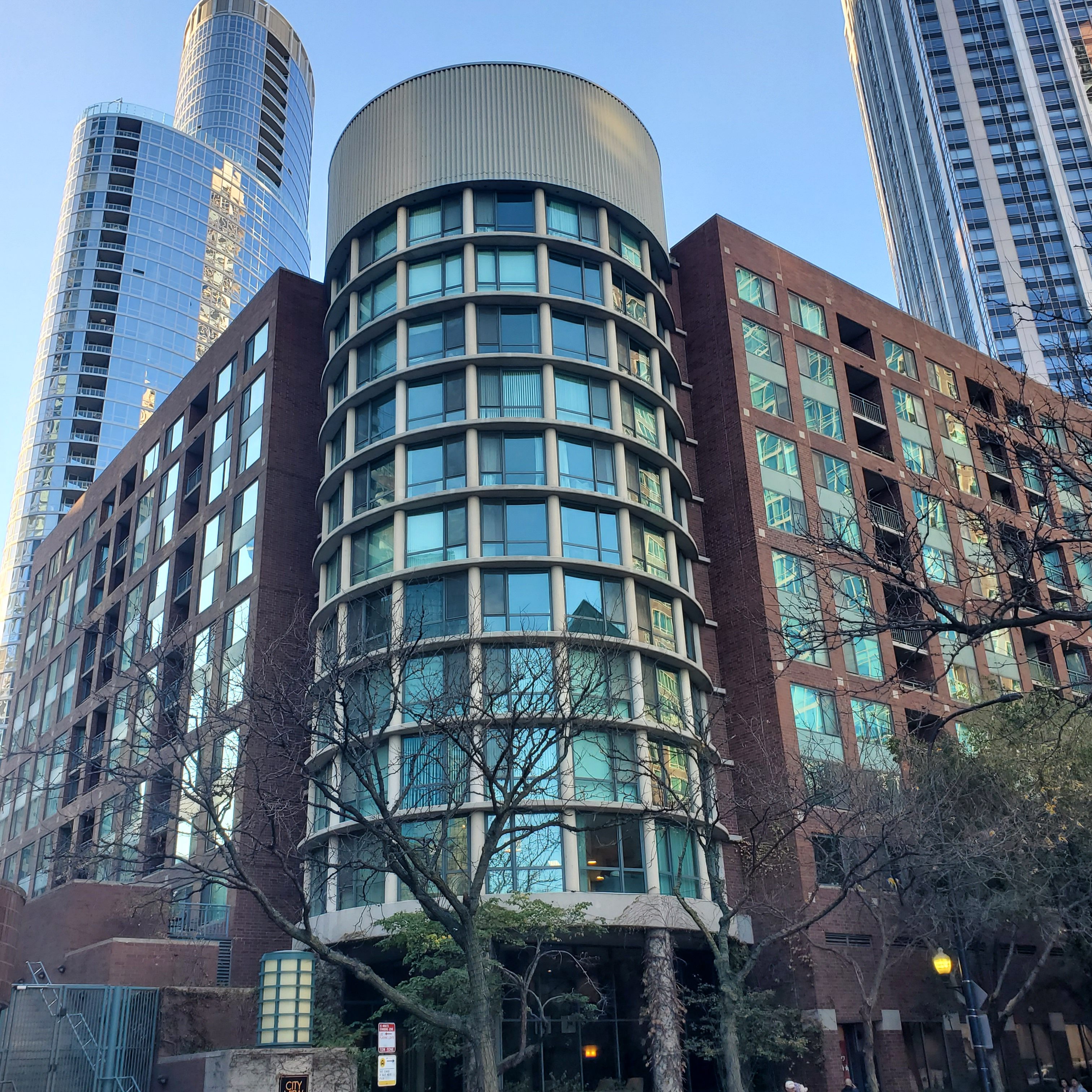
Streeterville is a high-rise neighborhood between the Chicago River, Lake Michigan and the Magnificent Mile. Buyers usually choose it for one of three reasons: they can walk to work at Northwestern Medicine or downtown, they want a full-service building with the lake at their door, or they want an address that works as a city base while they live elsewhere.
In the six months ending October 7, 2026, 109 condominiums and townhomes priced at $750,000 or more closed in Streeterville. The median sale price was $1,125,000, or about $531 per square foot. The median home sold in 24 days, and buyers paid a median of 98% of the original asking price.
The purchase price is only part of the cost. The median monthly association assessment on those sales was $2,124, and the median annual property tax bill was $20,991. Together that is nearly $3,900 a month before a mortgage payment. A well-informed buyer weighs a building’s finances, rules and condition as carefully as the view.
This guide explains how Streeterville is laid out, how its sections differ, what kinds of homes you will find, what the market looks like at each price level and what to examine before you make an offer.
Where Streeterville begins and ends
In this guide, Streeterville means the area bounded by Michigan Avenue on the west, the Chicago River on the south, Oak Street on the north and Lake Michigan on the east. Every market figure here comes from sales inside those lines.
Other sources draw the edges differently. The City of Chicago and the Streeterville Organization of Active Residents (SOAR) extend the western edge one block to Rush Street, and listings west of Michigan Avenue are often labeled Magnificent Mile, River North or Gold Coast. At the north end, the East Lake Shore Drive Historic District sits where Streeterville and the Gold Coast meet, and listings use both names. When you compare prices, make sure the comparable sales come from the same area.
Much of the neighborhood is built on land that was once a lake. Landfill and sand built up north of a pier at the river’s mouth in the 1800s. George Streeter, who claimed the new land as his own, gave the neighborhood its name. The courts ruled against his claim in 1918. Lake Shore Drive has been officially named Jean Baptiste Point DuSable Lake Shore Drive since 2021, but building addresses still read Lake Shore Drive.
The sections of Streeterville and the lifestyle each offers
Streeterville has no official sub-neighborhoods, but it divides naturally into three settings. The Chicago Association of REALTORS® describes them as Old Streeterville north of Pearson Street, the institutional middle around Northwestern’s campus, and South Streeterville toward the river. The street lines below are this guide’s working boundaries, not city districts.
| Section | Setting | Daily life | Often a fit for |
|---|---|---|---|
| Old Streeterville (Pearson St to Oak St) | Vintage and pre-war landmarks beside newer boutique towers along the lake | Quiet residential streets, Oak Street Beach, Lake Shore Park, Michigan Avenue a few minutes’ walk away | Buyers who want space, architecture and a calmer setting |
| Central / medical campus (Chicago Ave to Ontario St) | Northwestern Memorial Hospital, Lurie Children’s, Prentice Women’s, Shirley Ryan AbilityLab and the Feinberg School of Medicine | A short walk to the hospitals and law school; busier streets and emergency traffic | Physicians, residents and staff who value a short commute |
| South Streeterville (Ontario St to the river) | Newer glass towers, Navy Pier, Ohio Street Beach, Ogden Slip, Bennett Park and the riverfront | Lake and river views, parks, dining and the most visitor activity | Buyers who want newer construction, amenities and water views |
Old Streeterville
The northern end is the most residential part of the neighborhood. The East Lake Shore Drive Historic District is a Chicago landmark district made up of eight buildings designed between 1912 and 1929. Nearby are the Palmolive Building, a 1929 Art Deco landmark converted to 102 condominiums in 2006–2007, and 840 N. Lake Shore Drive, a 27-story Lucien Lagrange building from 2004 with 70 residences and no more than three per floor.
This section also has some of the newest supply. 850 N. Lake Shore Drive, a 1927 building that later became apartments, is now being sold as condominiums. It recorded 17 closings in the period studied, at a median of $880,000. Old Streeterville had the largest share of sales overall: 66 closings at a median of $1,100,000, or about $524 per square foot.
The central medical and university campus
The middle of Streeterville belongs mostly to Northwestern University’s Chicago campus and its affiliated hospitals. Condominium choices here are limited, and only seven sales over $750,000 closed in the period studied. That is too few to report a reliable median. Buildings in or beside this area include 680 N. Lake Shore Drive, a converted 1920s building with large floor plans, and the residences at Olympia Centre on Chicago Avenue.
For anyone who works at Northwestern Medicine, the appeal is time. Many homes in the surrounding sections are a short walk from the main hospital buildings. The trade-off is more traffic and emergency-vehicle noise on the streets closest to the hospitals.
South Streeterville
The area between Ontario Street and the river was devoted largely to shipping and factories for much of the 20th century. Today it has most of Streeterville’s newer high-rises. One Bennett Park, a 70-story Robert A.M. Stern tower has 69 condominiums on floors 41 through 66 above its rental apartments. It faces Bennett Park, a 1.7-acre park with a playground and dog runs. Lake Point Tower, completed in 1968, is the only skyscraper on the lake side of Lake Shore Drive and has a private park about three stories above the ground. At the river end of Michigan Avenue, the 1925 Tribune Tower has been converted into 162 condominiums.
South Streeterville also has the neighborhood’s few townhomes, along North Water Street and McClurg Court. Four of them closed in the period studied, at prices from $1,150,000 to $1,901,000. Sales here had the highest median price ($1,337,500), the highest price per square foot (about $588) and the lowest median assessments ($1,717 a month). Buyers should know that Navy Pier hosts summer fireworks on Wednesday and Saturday nights and draws large crowds in warm weather.
Housing types and buildings
Most luxury homes in Streeterville are condominiums in high-rise buildings, but the type of building affects price, carrying costs and how easy a home is to finance. Of the 109 closings studied, 12 were in buildings listed as vintage, 4 were townhomes and 2 were duplex units.
| Type | Examples | What to know |
|---|---|---|
| Modern high-rise condominium | One Bennett Park, 600 N. Lake Shore Drive, 600 N. Fairbanks, 840 N. Lake Shore Drive | The most common type. Amenities and staffing vary widely, and so do assessments. |
| Vintage and landmark conversion | Palmolive Building, Tribune Tower Residences, 680 N. Lake Shore Drive | Architecture and larger rooms; older systems and façades can bring higher maintenance costs. |
| Recent rental-to-condo conversion | 850 N. Lake Shore Drive | Prices can be lower per bedroom; ask how taxes will be assessed, since recent listings show no tax figure yet. |
| Residences in mixed-use towers | The Residences at Water Tower Place (180 E. Pearson), Olympia Centre | Retail or hotel space shares the building; check how costs and amenities are divided. |
| Condominiums above rental apartments | One Bennett Park | Shared amenities with renters; lenders review the mix of rental and commercial space. |
| Cooperative | Some older buildings in Old Streeterville | You buy shares, not real estate. Board approval and financing rules are stricter. |
| Penthouse and duplex units | Found across many towers | Few sales, so value depends heavily on the specific home. |
| Townhome | North Water Street and McClurg Court | The rare option with a private entry; association costs are typically lower than a tower’s. |
The buildings named in this guide illustrate each setting and are not a complete list. More than a hundred residential buildings sit within Streeterville, and each one has its own budget, rules and history.
The Streeterville market by price tier
Luxury in Streeterville starts at $750,000, and sales fall into three tiers. About four in ten closings were under $1 million, four in ten were between $1 million and $2 million, and about one in six were $2 million or more. Supply is deepest at the top: homes priced at $2 million or more had about 6.4 months of supply on October 8, 2026, compared with about 3.3 months for homes under $1 million.
| Entry Luxury | Established Luxury | Ultra Luxury | |
| $750K – $999K | $1M – $1.9M | $2M and above | |
| Closed Sales | 42 | 48 | 19 |
| Median Price | $835,000 | $1,273,750 | $2,625.00 |
| Median Price per sq ft | $505 | $534 | $812 |
| Median days on market | 27 | 23 | 12 |
| Sales price vs. Original List | 98% | 98% | 99% |
| Median Monthly Assessment | $1,905 | $2,036 | $4,697 |
| Median Annual Taxes | $15,922 | $21,431 | $53,000 |
| Active Listings | 24 | 34 | 21 |
| Months of Supply | 3.3 | 4.1 | 6.4 |
Closed sales cover April 14 to October 7, 2026. Active listings are as of October 8, 2026, and exclude homes already under contract. Months of supply is active listings divided by the average number of closings per month.
Three points stand out. First, the price of space jumps at the top, from about $534 per square foot in the middle tier to about $812 above $2 million. Second, carrying costs rise with it: a typical ultra-luxury home carries about $9,100 a month in assessments and taxes before any mortgage. Third, well-priced homes sell quickly at every level. The ultra-luxury homes that sold did so in a median of 12 days, even with more supply on the market. Overall, 38% of homes sold at or above the original asking price, while about one in four sold for less than 95% of it.
The ultra-luxury figures rest on only 19 sales, so treat them as a guide, not a rule. Building-by-building figures are not shown here, because most buildings recorded fewer than five sales in this period. For the building you are considering, ask for its recent sales during your consultation.
What to examine before you make an offer
In a high-rise, you are buying into a shared building as well as a home. The building’s finances, condition and rules can affect your monthly costs, your ability to get a mortgage and your resale value.
A lender underwrites both the borrower and the condominium project. At the buyer level, lenders examine credit history, income, assets, debt-to-income ratio and post-closing reserves. At the building level, they evaluate whether the association is financially and structurally sound. They may request the annual budget, financial statements, insurance details, reserve information, governing documents, meeting minutes and records of any litigation or special assessments. This two-part review can lengthen the time it takes to approve a loan, so build it into your contract timeline.
These are the areas to review with your agent, attorney and lender.
| Area | What to ask for | Why it matters |
|---|---|---|
| Association finances | Current budget, reserve balance, most recent reserve study, last two years of board minutes | Low reserves often lead to special assessments or sharp increases in monthly assessments. |
| Special assessments | Any current or planned assessments, their purpose and payoff dates | You may inherit payments for projects voted on before you bought. |
| Façade and structure | The building’s most recent façade inspection report and repair plan | Chicago requires regular façade inspections of buildings 80 feet or taller, and repairs can be costly. |
| Financing eligibility | Your lender’s review of the building, ideally before your offer | Some building conditions make a condominium ineligible for many conventional loans. |
| What assessments cover | A list of services included, such as heat, air conditioning, internet, doorman and amenities | Two buildings with the same assessment can deliver very different value. |
| Insurance | The master policy, its deductible and what it covers inside each unit | Your own HO-6 policy should fill the gaps, including loss-assessment coverage. |
| Property taxes | The current bill, any exemptions in place and the assessment history | A new owner may lose the seller’s exemptions, and new conversions may not yet be fully assessed. |
| Parking | Whether spaces are deeded, leased, valet or sold separately | Parking can add a significant amount to the purchase price or monthly cost. |
| Leasing rules | Rental caps, minimum lease terms, waiting lists and short-term rental rules | These rules matter if you may rent the home later or use it part-time. |
| Pet, move and renovation rules | Pet limits, elevator reservations, contractor hours and approval steps | They affect daily life and the cost and timing of any renovation. |
| Litigation | Any lawsuits involving the association or developer | Some lawsuits affect financing and resale. |
| Views and future development | Nearby sites with approved or proposed construction | A view you pay for today can be blocked by a future tower. |
| Noise | Your exposure to Lake Shore Drive, hospital traffic and Navy Pier events | Visit at night and on weekends before you decide. |
The documents Illinois sellers must provide
The Illinois Condominium Property Act requires the seller of a resale condominium to give the buyer specific association documents before closing. Since 2023, associations must provide these disclosures within 10 business days of a request, and document fees are capped. Your attorney should review them during the attorney review period, not after it ends.
Chicago’s façade inspection rules
Chicago requires buildings 80 feet or taller to have their façades inspected on a fixed cycle. Depending on how the building is built, a full close-up “critical examination” is due every 4, 8 or 12 years, with lighter inspections in between. Each report rates the building as safe, safe with a repair and maintenance program, or unsafe and imminently hazardous. Ask for the latest report and find out how planned repairs will be paid for.
Can the building be financed?
Lenders review the building as well as the buyer. Under Fannie Mae’s rules, a project is ineligible if it needs critical repairs that affect safety or structural soundness, is in certain types of litigation, has more than 35% commercial space, or operates like a hotel.
Reserves matter too. To qualify for Fannie Mae and Freddie Mac financing, a building’s budget must set aside at least 10% of assessment income for reserves. That minimum rises to 15% for loan applications dated January 4, 2027 or later, unless the building is fully funded under a professional reserve study.
Jumbo lenders, who finance many homes in this price range, set their own building standards, and many use Fannie Mae’s guidelines as a baseline. Jumbo lenders that once relied on a short building questionnaire for well-qualified buyers with large down payments may switch to reviewing buildings and looking for large pending special assessments, gaps in the master insurance policy, structural inspection findings and deferred maintenance. Which represent common reasons to delay or decline a loan.
Property taxes and transfer taxes
The Cook County Assessor reassesses Chicago properties every three years. The city was last reassessed in 2024, so the next reassessment is expected in 2027. Budget for your taxes based on the current bill without the seller’s exemptions, and ask your attorney how they will be prorated at closing.
Chicago charges a real property transfer tax of $5.25 per $500 of the sale price. The buyer generally pays the city portion of $3.75 per $500, and the seller generally pays the $1.50 per $500 that funds the Chicago Transit Authority. On a $1,125,000 purchase, the buyer’s share is $8,437.50.
Notes for physicians, executives and international buyers
Northwestern Medicine physicians and staff
The hospitals of Northwestern Medicine, Lurie Children’s and the Shirley Ryan AbilityLab are all in Streeterville. That makes the commute the main draw for many medical buyers. If you take overnight or on-call shifts, time the walk from each building to your entrance at the hour you would actually make it.
Look for staffing and services that suit irregular hours: 24-hour door staff, secure package rooms, and parking that is easy to reach at any time. Some lenders offer physician mortgage programs with lower down payments. Ask whether the program covers the specific building, since many have their own condominium requirements.
Relocating executives
If you are moving to Chicago for a new role, decide early whether to buy right away or rent first while you learn the city. Streeterville has a large rental supply, which makes renting first practical. If your employer offers relocation benefits, ask what they cover, such as closing costs, temporary housing or the sale of your current home.
Streeterville is reached by Lake Shore Drive, and the Chicago and Grand stations on the CTA Red Line run along State Street just west of the neighborhood. For families, Chicago Public Schools assigns schools by address, and boundaries can change. Confirm the school assigned to a specific address with the CPS school locator before you buy.
International buyers
International buyers can purchase Chicago condominiums, but financing usually works differently. Lenders that work with foreign nationals often require larger down payments and more documentation, so it is wise to speak with one before you start your search. Wire transfers, currency timing and how you will hold title, whether personally or through an entity, are best planned with a tax advisor and an attorney before you make an offer.
Plan for your eventual sale as well. When a foreign owner sells U.S. real estate, the buyer is generally required to withhold 15% of the amount realized, usually the sale price, for the IRS under FIRPTA, a federal law. Lower rates apply only in limited cases where the buyer is an individual who will live in the home. If you plan to be in Chicago part of the year, check the building’s leasing and short-term rental rules, and ask how the staff handles deliveries, maintenance access and security while you are away.
This section is general information, not legal or tax advice.
Frequently asked questions
How much does a luxury condo in Streeterville cost?
Condominiums and townhomes priced at $750,000 or more that closed in Streeterville between April 14 and October 7, 2026 sold for a median of $1,125,000, or about $531 per square foot. Half of those sales fell between $880,000 and $1,620,000.
What are typical HOA fees in Streeterville?
The median monthly assessment on those sales was $2,124. It ranged from a median of $1,905 for homes under $1 million to $4,697 for homes at $2 million or more. Assessments usually cover building staff, amenities and maintenance, and often heat, air conditioning and internet. Confirm what each building includes.
What are the boundaries of Streeterville?
Streeterville is commonly defined as the area bounded by Michigan Avenue on the west, the Chicago River on the south, Oak Street on the north and Lake Michigan on the east. Some sources, including the City of Chicago, extend the western edge one block to Rush Street.
What is the difference between Old Streeterville and South Streeterville?
Old Streeterville, north of Pearson Street, has vintage and pre-war landmark buildings and a quieter residential feel. South Streeterville, between Ontario Street and the river, has most of the newer glass towers, plus Navy Pier, Ohio Street Beach and the riverfront.
Is Streeterville a good place to live if I work at Northwestern Memorial Hospital?
Many medical professionals choose Streeterville because Northwestern Memorial Hospital, Lurie Children’s Hospital, Prentice Women’s Hospital and the Shirley Ryan AbilityLab are in the neighborhood. Much of Streeterville is within walking distance of the main hospital buildings.
How long do Streeterville condos take to sell?
The median luxury home sold in 24 days in the period studied. Homes under $1 million took a median of 27 days, and homes at $2 million or more that sold took a median of 12 days.
Can foreign nationals buy a condo in Chicago?
Yes. International buyers can purchase Chicago condominiums. Financing usually requires a larger down payment and more documentation, and when a foreign owner later sells, federal FIRPTA rules generally require the buyer to withhold part of the sale price for the IRS.
Can every Streeterville condo be financed with a conventional mortgage?
No. Lenders review the building as well as the buyer. Critical repairs, certain lawsuits, a high share of commercial space or hotel-style operations can make a building ineligible for many conventional loans. Ask a lender to review the building before you make an offer.
Who pays the Chicago transfer tax?
The buyer generally pays the city portion of $3.75 per $500 of the sale price, and the seller generally pays the $1.50 per $500 portion that funds the Chicago Transit Authority.
Plan your Streeterville search
The right Streeterville home depends on how you will live in it: your commute, your schedule, how much space you need and how long you plan to stay. I invite you to schedule a private consultation before you tour. Together we’ll define your priorities, compare the buildings that fit and review the sales history, association documents and costs of any home you consider, so you can make an informed offer with confidence.
Schedule a private consultation: Thurston Gayle, Baird & Warner · 630-261-5515 · thurstongayle.bairdwarner.com
Guide. Advocate. Strategist.
About the data
Market figures are based on information from Midwest Real Estate Data LLC (MRED) for attached residential properties priced at $750,000 or more in Streeterville, closed April 14 to October 7, 2026, with active listings as of October 8, 2026. Streeterville is defined here as the area bounded by Michigan Avenue, the Chicago River, Oak Street and Lake Michigan. Figures are medians unless noted and are deemed reliable but not guaranteed.
Sources
- Chicago Department of Finance: Real Property Transfer Tax
- Cook County Assessor’s Office: Learn about Reassessments
- Fannie Mae Selling Guide B4-2.1-03: Ineligible Projects
- Simpson Gumpertz & Heger: Understanding the Chicago Façade Ordinance
- Levenfeld Pearlstein: Updated Statutory Disclosure Requirements for Illinois Condominium and Community Associations
- Related Midwest: Grand opening of the condominiums at One Bennett Park
- Golub & Company: Tribune Tower Residences
- Crib Chatter: The Palmolive, 159 E. Walton
- Crib Chatter: Apartment-to-condo conversion at 850 N. Lake Shore Drive
- 840 N. Lake Shore Drive building profile
- Wikipedia: Lake Point Tower
- Wikipedia: Streeterville
- Navy Pier fireworks schedule, 2026
- FIRPTA withholding summary (Attorneys’ Title Guaranty Fund)
- RISMedia: Fannie Mae and Freddie Mac condo reserve requirement rising to 15%
- The Close: Condo reserve rules now in effect
Leave a Reply